The pirates
Blackbeard and Calico Jack: the real pirates behind the show
What an encyclopedia records of the two captains named on the listing, and where legend and record part.
Reserve the pirate dinner show ↗Quick answer
Blackbeard was a pirate captain active from 1716 to 1718, killed in a fight at Ocracoke Inlet, North Carolina, in November 1718. Calico Jack was John Rackham, hanged at Port Royal, Jamaica, in November 1720. The English Wikipedia notes that several famous details about both men, from the burning fuses to the skull-and-swords flag, rest on later books rather than on the records of their own time.
Why these two
The booking page names Blackbeard and Calico Jack as the leaders of the two crews. Both lived in the early eighteenth century, within a few years of one another, and both ended on the gallows or in a battle, which makes them natural leads for a stage story. The real records are thinner than the legends, and separating the two is a rewarding way to prepare for the evening.
Blackbeard
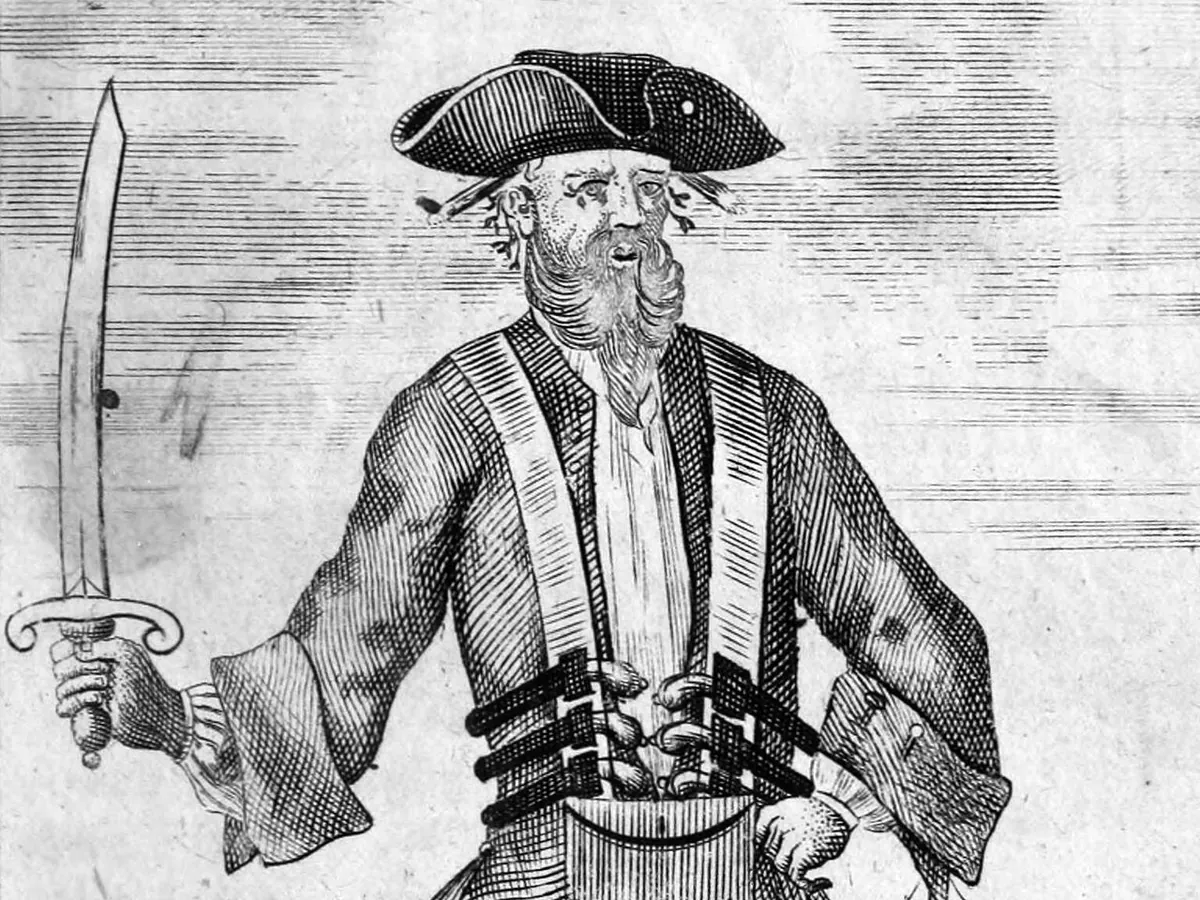
The English Wikipedia says Edward Teach, or Thatch, is the name most often used, but it is unlikely his real name will ever be known, since pirates often took fictitious surnames. He was born around 1680 and was active from 1716 to 1718, and the article calls him perhaps the most notorious pirate among English-speaking nations. In May 1718 his fleet blockaded the port of Charles Town, now Charleston, South Carolina.
The flagship
Blackbeard took a French slave ship, renamed her Queen Anne’s Revenge and equipped her with 40 guns, the English Wikipedia says. She ran aground near Beaufort Inlet in June 1718. Divers found a wreck off North Carolina on 21 November 1996, and more than 300,000 artefacts have been recovered, according to the article on the ship. About 30 cannons have been identified, though Blackbeard is thought to have carried around 40.
The death at Ocracoke
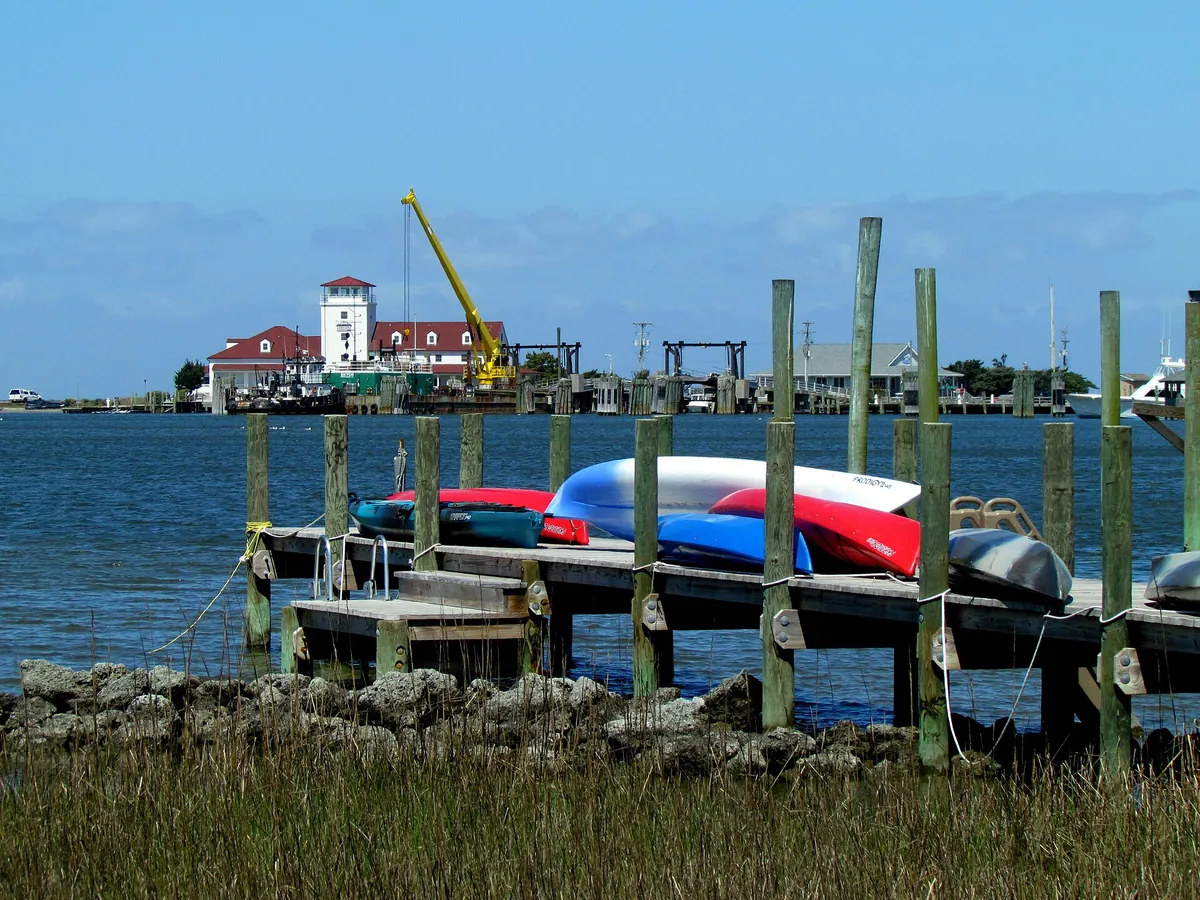
Blackbeard was killed on 22 November 1718 in a battle at Ocracoke Inlet, North Carolina, by sailors led by Lieutenant Robert Maynard, who had been sent by Virginia’s governor, Alexander Spotswood, the English Wikipedia says. The article adds that the lit slow matches he is remembered for were, in one early account, stuck under his hat rather than in his beard.
Calico Jack
He appears in the early sources as John Rackham. The nickname Calico Jack first shows up in print in 1728, in the second volume of Charles Johnson’s history of the pyrates, which also contains fictional material, the English Wikipedia says. It notes that calico was associated with women’s clothing in the eighteenth century, which makes the name a puzzle for a man in Nassau.
A capture off Jamaica
On 22 October 1720 a former privateer, Jonathan Barnet, intercepted Rackham’s sloop off Jamaica. Rackham was tried at Spanish Town in November 1720, convicted of piracy and hanged at Port Royal on 18 November 1720, the English Wikipedia says. It records the crew’s defiant reply to Barnet in the words we shall strike no strike, a line quoted in Barnet’s own account.
The flag that was not his
The skull and crossed swords often shown with Rackham’s name is not supported by the trial record, the English Wikipedia says. A witness described his sloop as flying a white pendant. The crossed-swords design appears to date to the early twentieth century, and its link to Rackham traces to a 1959 book. If a stage Calico Jack flies it, that is theatre, not history.
The women in his crew
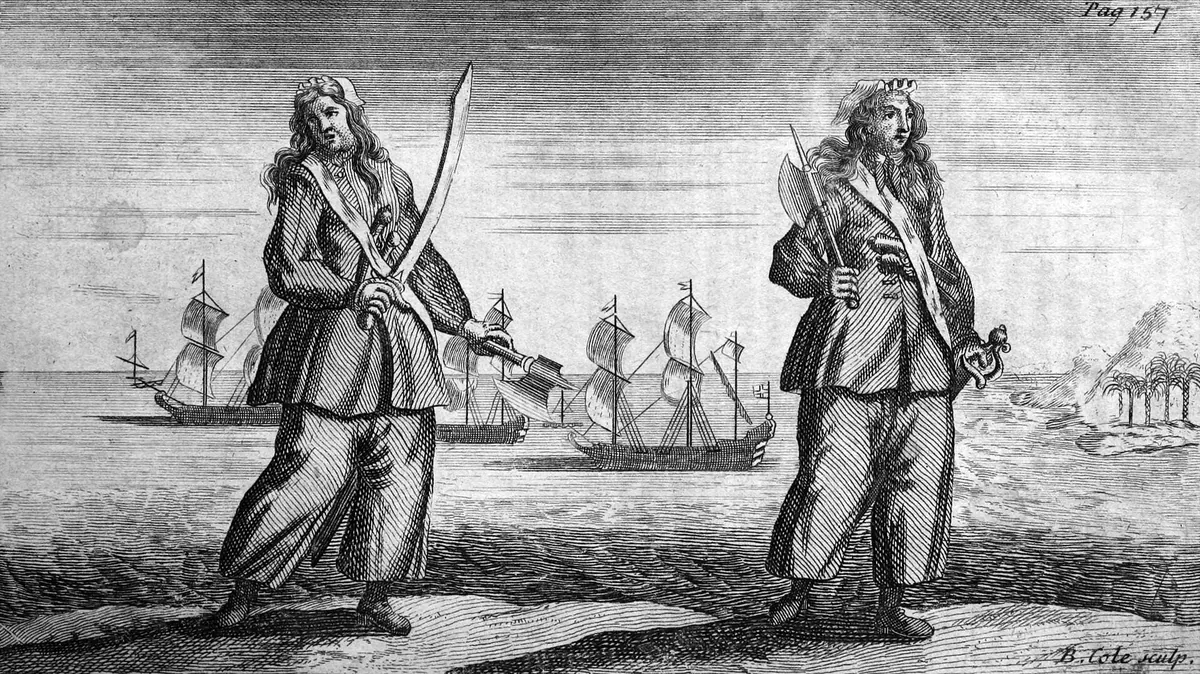
Anne Bonny met Rackham in Nassau and joined his crew in August 1720 with Mary Read, the English Wikipedia says. On 22 August they and about a dozen others seized the sloop William. Both women were tried at Spanish Town on 28 November 1720 and both claimed to be pregnant, which earned a stay of execution. Read died in prison around April 1721. Bonny’s fate is not recorded.
Legend and record
Many of the famous pirate details trace to one source, Johnson’s 1724 history, which the English Wikipedia treats as unreliable on certain points. Worth remembering at a show: the staging is built from the legend, and the legend is part of the story. The records give a plainer, harsher picture. Both deserve a look.
Who this isn’t for
Not for readers wanting a full biography, or proof that stage characters match their namesakes. The show’s Blackbeard and Calico Jack are performers in a family dinner production; this page only sets the written record beside the names and says nothing about the script.
Sources